 BoardFoot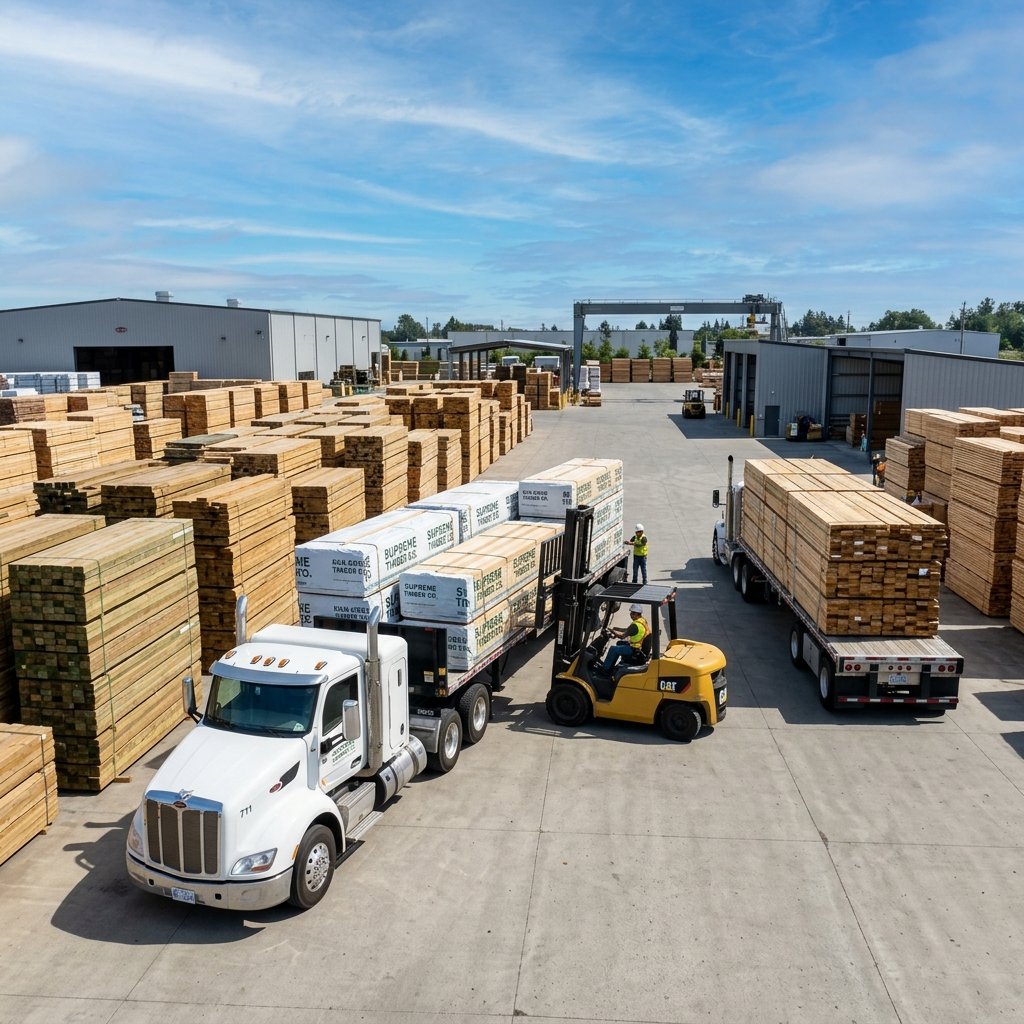
Why Lumber Prices Change (Market Trends Guide)
If you've noticed that your project quotes are expiring within 14 days, you aren't alone. The lumber market in 2026 is a complex web of international trade, logistics, and environmental regulations. This guide demystifies the "Why" behind the "How Much."
The Core Driver: Housing Starts
In the USA, the #1 driver of lumber price is the residential construction industry. When new housing starts rise, the demand for "commodity" lumber (SPF - Spruce, Pine, Fir) spikes. Because sawmills can only produce so much wood per day, this creates a ripple effect that eventually hits even the specialty hardwood market.
The Logistics of Weight
Wood is heavy and contains significant moisture when freshly cut. This means that fuel prices are the "hidden" cost in every board foot. Moving a truckload of green Oak from Pennsylvania to a furniture factory in North Carolina becomes drastically more expensive when diesel prices rise. This is why local species are consistently cheaper than exotics.
Sawmill Capacities & Kiln Backlogs
A log cannot be turned into high-end furniture immediately. It must be air-dried and then kiln-dried for weeks or months. In 2026, many US sawmills are still recovering from labor shortages and equipment lead times. If a major kiln operator goes offline, the supply of dried "8/4" lumber drops, and prices for what's left on the shelves skyrocket.
Environmental Policy Impacts
Changes in federal harvesting quotas on public lands or trade tariffs (especially on Canadian Softwood) can shift national prices overnight. For example, recent 2026 sustainability mandates have slightly reduced harvest volumes in certain hardwood regions, contributing to the "scarcity premium" seen in Select-grade Walnut.
Professional FAQ
1. Why is plywood pricing different from solid lumber?
Plywood is a manufactured product made of veneers and resins. Its price is more closely tied to industrial chemical costs (glues) and manufacturing electricity rates than raw log prices.
2. Should I wait for prices to drop?
While commodity prices fluctuate monthly, high-end hardwood prices traditionally only move in one direction: Up. If you find a good deal on FAS-grade Walnut, it's usually best to secure it.
3. Is there a "Best Time" of year to buy?
Late Winter often sees slightly better pricing as mills try to clear inventory before the spring construction surge, but this varies by region.
Protect Your Budget
Get accurate baseline totals to navigate market fluctuations with confidence.
Use our Board Foot Calculator